Taylors HVAC Experts: Affordable Indoor Climate Control Services
Selecting the Best HVAC Company: Important Considerations for Superior Home Comfort
Picking the best HVAC provider is crucial for ensuring home comfort. Several factors affect this decision, from the services provided to the importance of experience and certifications. Customer reviews provide valuable perspectives, while efficiency ratings can generate long-term savings. Knowing warranty and pricing options is equally critical. As homeowners evaluate these considerations, they may wonder which factors truly matter most in selecting the right option.
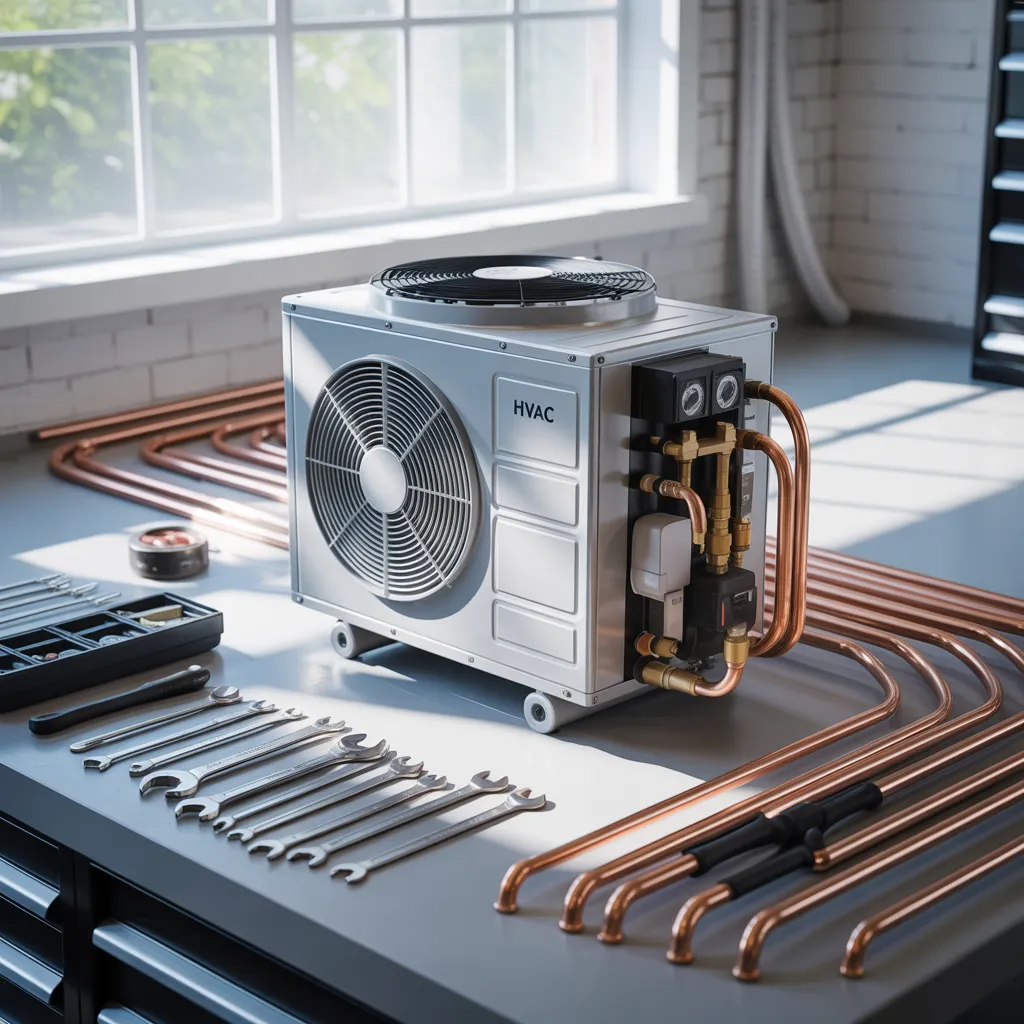
What Services Should Your HVAC Company Offer?
When selecting an HVAC company, recognizing the range of services offered is important. A reliable HVAC company should handle maintenance, installation, and repair for HVAC systems. Installation services must encompass both residential and commercial options, ensuring that systems are tailored to specific needs. Regular maintenance is vital for boosting the efficiency and lifespan of systems, so companies should provide regular inspections and cleaning services.
Furthermore, maintenance services need to be swift and thorough, addressing issues with various system components, including thermostats, ductwork, and filters. Several firms may also present complementary services like air quality analyses, that can assist in enhancing the general atmosphere of a residence or commercial space. Lastly, urgent response services represent a critical resource, guaranteeing that customers obtain prompt help during major system breakdowns. Reviewing these options allows homeowners to make educated decisions regarding their HVAC systems.
Why You Should Consider Experience and Certifications When Picking an HVAC Company
Selecting an HVAC company is not only about the solutions they deliver but also about the knowledge behind those services. Expertise plays an important role in professional guide ensuring that technicians can precisely assess issues and apply effective fixes. A seasoned HVAC contractor is positioned to have addressed a variety of setups and problems, empowering them to react effectively to uncommon scenarios.
Certifications hold equal significance, as they confirm that the firm adheres to established industry standards and guidelines. Certified technicians have undergone extensive training, making certain they stay current with the newest technological advancements and safety procedures. This decreases the likelihood of mistakes that can result in costly repairs or safety hazards.
When everything is taken into account, a combination of experience and certifications showcases a commitment to quality and professionalism. Homeowners can rest assured knowing they are placing their HVAC requirements to a company that prioritizes competence and reliability.
The Role of Customer Reviews in Choosing an HVAC Company
Customer ratings serve a crucial function in evaluating the reputation of HVAC providers. By examining online feedback, prospective clients can measure the quality of service and dependability offered by different providers. Analyzing this information allows consumers make informed decisions when choosing an HVAC company.
Assessing Online Reputation
How does a potential homeowner determine the dependability of an HVAC company in today's technology-driven world? An efficient strategy is to examine the company's online presence through user-generated reviews. Online platforms including Google, Yelp, and Facebook deliver useful perspectives on former client encounters, emphasizing service standards, turnaround times, and overall customer contentment. A predominance of positive reviews can indicate a trustworthy company, whereas frequent complaints may signal potential issues. It is furthermore helpful to consider how the company responds to unfavorable comments, as a well-crafted reply can showcase a commitment to professionalism and quality service. By synthesizing this information, homeowners can make informed decisions, ensuring they choose an HVAC company that aligns with their expectations for quality and reliability.
Grasping the Significance of Ratings
In the online world, reviews play an important part in shaping perceptions of HVAC companies. Client feedback offers valuable information about service quality, reliability, and overall satisfaction. Prospective clients often rely on these ratings to measure a company's credibility before selecting a provider. Elevated scores commonly suggest a background of effective solutions and dependable support, while low ratings may signal potential issues. Furthermore, trends in feedback can reveal notable capabilities or limitations, such as proficiency with specific equipment or ability to handle urgent situations. Ultimately, understanding the importance of ratings allows residents to make well-considered selections, guaranteeing they find a business that suits their preferences and standards. Such thorough assessment can result in greater satisfaction and confidence.
Exploring Energy Efficiency Ratings for HVAC Systems
What factors determine the efficiency of heating and cooling systems? Efficiency ratings, such as the Seasonal Energy Efficiency Ratio (SEER) for cooling systems and the Annual Fuel Utilization Efficiency (AFUE) for heat systems, deliver valuable guidance. These metrics assess how well a system transforms energy into temperature regulation in relation to its energy use. A higher rating the more efficient the system, contributing to reduced energy expenses and a lesser impact on the environment.
In addition, the system design, installation standards, and maintenance routines greatly influence overall performance. Appropriately sized systems designed to fit a home's particular needs will function more effectively than improperly sized units. In addition, innovations in technology, such as smart thermostats and variable speed compressors contribute to greater energy savings. When assessing HVAC systems, homeowners should take these factors into account, as opting for a unit that carries a high energy efficiency rating supports lasting comfort and environmental sustainability.
Assessing HVAC Costs for Optimal Value?
When considering HVAC rates, property owners often want to know which aspects are important for obtaining the greatest value. Essential components include the starting price of the system, installation fees, and long-term running costs. Residents should compare quotes from various contractors, verifying that all estimates are thorough and encompass comparable services.
One other significant aspect to consider is the efficiency score of the equipment, as greater efficiency typically results in reduced energy costs. Additionally, warranty coverage and maintenance plans can greatly impact overall value. It is essential to assess the reputation of the HVAC company, as skilled technicians generally deliver superior service, which can minimize upcoming maintenance and repair costs.
At the end of the day, the greatest value is not simply measured by the lowest price but rather by a harmony of quality, efficiency, and trustworthy service. Homeowners should take the time to fully examine every aspect of HVAC pricing in order to make educated decisions that benefit their home comfort and long-term investment.
Critical Questions to Ask Your HVAC Contractor?
How can homeowners confirm they choose the right HVAC contractor? An efficient strategy is to ask key questions that highlight the contractor's expertise and trustworthiness. As a starting point, homeowners should request information about licensing and insurance, confirming that the contractor adheres to local standards and can address any potential liabilities. Next, asking about experience with specific systems or brands helps determine whether the contractor is well-suited for the job.
Homeowners are encouraged to request referrals from prior customers to evaluate the level of satisfaction and workmanship. Additionally, questions about warranties and service agreements can clarify what to expect after installation or repair. Finally, discussing financing options and estimated timelines for the project can promote transparency and prevent unexpected delays. By addressing these critical aspects, homeowners can make informed decisions, leading to ideal comfort in their homes.
Questions We Often Receive
What Is the Typical Lifespan of an HVAC System?
An HVAC unit generally has a lifespan of 15 to 25 years on average, based on maintenance, usage, and installation quality. Regular servicing helps maximize its longevity, while a lack of proper care can result in early system breakdown and higher replacement expenses.
What Warranties Am I Entitled to Expect From HVAC Services?
Clients should look for warranties encompassing parts and labor, typically ranging from one to ten years, depending on the HVAC system. Longer warranty plans may also be accessible, delivering further peace of mind and protection against future repairs.
Are HVAC Systems Capable of Improving Indoor Air Quality?
HVAC systems are highly effective at improving indoor air quality by removing pollutants, managing moisture levels, and ensuring proper ventilation. Consistent upkeep boosts their efficiency, supporting cleaner and healthier living spaces and reducing allergens and irritants in the air.
What Are the Maintenance Requirements for HVAC Systems?
Routine upkeep for HVAC systems encompasses swapping out filters, clearing air ducts, evaluating refrigerant levels, verifying electrical connections, and arranging expert tune-ups. These steps optimize performance, increase longevity, and preserve superior indoor air quality year-round.
How Do I Know if My HVAC System Requires Replacement?
Symptoms that an HVAC system needs replacement include recurring repairs, escalating energy costs, uneven temperatures, strange noises, and being older than 15 years. Considering these elements can make it easier to determine if a replacement is necessary.